

Instagram Marketing in Dubai: How Businesses Turn Attention Into Growth

26th September, 2026
 20th August, 2026
In today’s fast-paced, tech-driven world, brands must innovate constantly to stand out. The secret? Understanding and implementing the different types of digital marketing campaigns that target the right audience, at the right time, with the right message. From SEO to influencer outreach, the modern marketing toolbox is deep and diverse. In this guide, we break down the most powerful types of digital marketing campaigns and how to leverage them for success.
Marketing online is no longer just about running ads. The different types of digital marketing campaigns include everything from search engine optimization to mobile marketing, influencer collaborations, and more. Each campaign serves a specific purpose, whether it’s driving traffic, building brand awareness, generating leads, or increasing conversions. Knowing the types of campaign in digital marketing and when to use them is key to maximizing your ROI.
Digital marketing refers to promoting products, services, or brands through digital channels. These channels include search engines, websites, social media, email, mobile apps, and more. It’s measurable, targeted, and flexible, unlike traditional marketing. A well-crafted digital strategy that includes different types of digital marketing campaigns helps businesses connect directly with their audience in real time, boosting engagement and conversions.
Digital marketing is essential in a world where consumers spend hours online daily. It allows businesses to:
To stay competitive, companies must adopt the types of campaign in digital marketing that best serve their audience and objectives.
A digital marketing campaign is a coordinated set of actions executed online to achieve a business goal. It could be increasing traffic, acquiring leads, or improving sales. The different types of digital marketing campaigns are structured around channels like SEO, email, paid ads, and content, and they’re usually time-bound with specific KPIs.
Let’s dive into the most impactful and commonly used types of digital marketing campaigns that businesses can explore:
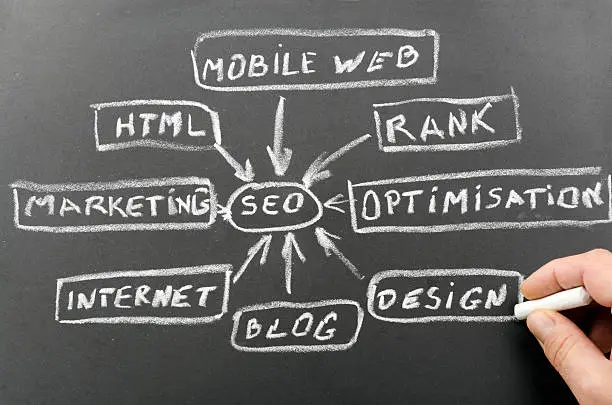
Search Engine Optimization is the cornerstone of organic digital visibility. It involves optimizing your website content, structure, and technical backend to ensure it ranks higher in search engine results pages (SERPs) like Google. SEO encompasses on-page strategies like keyword optimization, content relevance, and metadata, as well as off-page techniques such as backlinks and domain authority. Long-term SEO campaigns build credibility, drive qualified traffic, and reduce dependency on paid channels. Success in SEO often relies on consistent content creation, technical audits, mobile optimization, and staying updated with algorithm changes.
PPC is a model of internet marketing where advertisers pay a fee each time their ad is clicked. It allows businesses to buy visits rather than earn them organically. Google Ads and Bing Ads are among the most popular PPC platforms. This model is highly effective for gaining immediate exposure, launching new products, and targeting specific demographics with precision. Campaigns can be refined by location, time, device, and user behavior. Although it requires a financial investment, PPC delivers measurable results and is ideal for businesses seeking fast conversions or running time-sensitive promotions.
Content marketing revolves around creating and distributing high-value, relevant content tailored to a specific audience. This can include blogs, articles, whitepapers, infographics, podcasts, and ebooks. Unlike direct advertising, content marketing builds trust and authority over time. It is particularly effective in educating prospects, nurturing leads through the buyer’s journey, and improving SEO rankings. Great content is customer-centric, optimized for search engines, and distributed via appropriate channels such as email, social media, or content syndication platforms. It’s a long-term investment that fosters loyalty and positions a brand as a thought leader.
Email marketing is one of the most cost-effective and direct digital marketing channels. It involves sending targeted messages to subscribers to inform, nurture, or convert. Segmentation, personalization, and automation are key to modern email marketing success. Businesses use emails for newsletters, onboarding sequences, product promotions, abandoned cart reminders, and re-engagement campaigns. With high ROI and full control over content and delivery, email remains vital in building relationships, driving repeat purchases, and maintaining brand awareness. Tools like Mailchimp or Klaviyo streamline campaign execution and performance tracking.

Social Media Marketing leverages platforms like Facebook, Instagram, Twitter, LinkedIn, TikTok, and Pinterest to build brand identity and engage with audiences. It includes both organic content strategies and paid advertising. Businesses can use social media to humanize their brand, share content, run contests, respond to customer inquiries, and gather feedback. SMM is ideal for increasing brand reach, nurturing communities, and targeting users based on interests, behaviors, and demographics. Each platform has unique features and best practices, so tailoring the strategy to each audience segment is essential for success.
Influencer marketing involves partnering with individuals who have significant credibility and a dedicated following in your target niche. These influencers, whether macro (large audiences) or micro (smaller but highly engaged audiences), can drive product awareness, trust, and conversions. Influencer campaigns may include sponsored posts, product reviews, giveaways, or brand ambassadorships. Authenticity is key, followers trust influencers who align with the brand’s values. This type of marketing is especially effective in lifestyle, fashion, beauty, fitness, and travel sectors, where visual storytelling and personal endorsements carry weight.
Affiliate marketing is a performance-based strategy where third parties (affiliates) earn a commission for promoting a brand’s products or services. Affiliates use unique tracking links to generate traffic or sales, and they are only paid when a predefined action occurs (e.g., a sale or lead). This model reduces risk and enhances reach by tapping into external networks like bloggers, YouTubers, or niche website owners. It’s commonly used in e-commerce, SaaS, and digital product industries. With platforms like ShareASale, CJ Affiliate, or Amazon Associates, businesses can scale quickly with minimal upfront costs.
Video marketing employs visual storytelling to capture attention, explain concepts, and engage audiences. Popular formats include product demos, testimonials, tutorials, live streams, and explainer videos. Platforms such as YouTube, Instagram Reels, TikTok, and even LinkedIn allow for broad distribution. Videos enhance retention and are favored by algorithms, making them great for SEO and social engagement. Video content can also be repurposed for ads, blogs, and email campaigns. As users increasingly prefer visual content, investing in high-quality, brand-aligned video campaigns can yield high returns.
Mobile marketing targets users on their smartphones and tablets through channels like SMS, mobile apps, push notifications, and mobile-optimized websites. With over half of global web traffic coming from mobile devices, campaigns must be responsive and user-friendly. Businesses can send location-based offers, in-app promotions, or time-sensitive alerts to engage users instantly. Mobile marketing also integrates with voice assistants, QR codes, and mobile wallets. A seamless mobile experience ensures higher engagement rates and boosts conversions, especially for e-commerce and service-based businesses.
Display advertising involves placing visually compelling ads, such as banners, sidebars, or pop-ups, across websites, apps, or social media. These ads can be static, animated, or video-based and are typically served through ad networks like Google Display Network. Targeting options include contextual (based on content), behavioral (based on user actions), and demographic. While often used for brand awareness, display ads can also support retargeting and conversion-focused campaigns. A strong creative design and precise targeting strategy are essential to minimize ad fatigue and improve CTR (click-through rates).
Remarketing (or retargeting) campaigns focus on reconnecting with users who have previously visited your site or interacted with your brand but didn’t complete a desired action. These campaigns use tracking pixels or cookies to display tailored ads across platforms like Google, Facebook, or Instagram. Remarketing is highly effective in recovering abandoned carts, increasing return visits, and enhancing conversion rates. Since the audience already knows your brand, the ads are more likely to resonate. Dynamic remarketing can even show specific products or services the user viewed, increasing relevance and urgency.
Native advertising blends paid ads into the natural form and function of the content around them. These ads appear as recommended articles, sponsored content, or promoted listings, and aim to deliver value without disrupting user experience. Platforms like Taboola, Outbrain, and social media feeds offer native ad placements. Because native ads match the look and tone of editorial content, they are less intrusive and more likely to be consumed. They’re ideal for storytelling, thought leadership, or softly promoting products in content-driven environments.
Conversational marketing uses real-time, one-on-one communication tools like chatbots, live chats, and messaging apps (e.g., WhatsApp, Messenger) to engage with users. The goal is to provide immediate support, answer queries, and guide prospects through the funnel without delay. AI-powered bots can qualify leads, schedule demos, or recommend products 24/7. Conversational marketing improves user experience, shortens sales cycles, and increases conversion rates by fostering human-like interaction. It’s especially useful on landing pages, e-commerce checkouts, and mobile apps.
With the rise of smart speakers and voice assistants like Siri, Alexa, and Google Assistant, optimizing for voice search is crucial. This involves structuring content using natural language, focusing on long-tail keywords, and answering questions directly. Voice queries are typically more conversational and location-focused, so optimizing for featured snippets and local SEO is essential. Brands that adapt to voice search stand out in mobile-first experiences and gain early-mover advantages in this evolving digital space. It’s particularly effective for service-based and local businesses.
Event-based campaigns focus on promoting time-sensitive occasions such as webinars, virtual summits, product launches, holiday sales, or limited-time offers. These campaigns create urgency and excitement, encouraging fast action. They combine multiple channels like email, social media, landing pages, and paid ads for maximum exposure. Event-based marketing is also an opportunity to capture leads, showcase brand innovation, and build stronger customer relationships. Post-event follow-ups, such as thank-you emails or recorded replays, help sustain engagement and move leads down the funnel.
Choosing the right campaign depends on your business goals. A startup may benefit from SEO and content marketing for long-term growth, while a retail brand may rely heavily on social media and PPC. Partnering with a Dubai digital marketing company can help you assess your business stage and craft the ideal mix of types of digital marketing campaigns tailored to your audience.
Success isn’t just about selecting the different types of digital marketing campaigns, it’s about execution. Consider these strategies:
Working with a provider of performance marketing services can greatly enhance your campaign results through data-driven execution.
Successfully launching and managing different types of digital marketing campaigns requires more than just choosing the right channels. You need a well-rounded strategy, sharp execution, and ongoing optimization. Below are some essential tips to ensure your campaigns deliver measurable impact and long-term value.
Understanding your audience is the foundation of any successful digital marketing initiative. Before launching any campaign, develop detailed buyer personas based on demographics, interests, online behavior, and pain points. This helps tailor your messaging, select the most relevant types of campaign in digital marketing, and ensure your efforts reach the people most likely to engage or convert. When you speak directly to your audience’s needs, your campaigns are far more likely to succeed.
Timing is everything in digital marketing. To maximize the impact of your efforts, align campaign launches with customer decision-making cycles, holidays, or industry-specific trends. Seasonal promotions, new product announcements, or events can be great opportunities to engage your audience. For example, PPC and email campaigns may perform better during high-purchase-intent periods. Understanding your industry’s rhythm will help you choose the right time for launching different types of digital marketing campaigns.
With mobile traffic accounting for a major share of all internet activity, your campaigns must be fully optimized for smartphones and tablets. Responsive design, fast-loading pages, and mobile-friendly content are essential to user experience. Whether you’re implementing SEO, display ads, or social campaigns, mobile responsiveness is not optional, it’s critical. A mobile-first approach ensures you don’t lose valuable leads due to poor performance on smaller screens.
Every digital campaign must be measurable. Use tools like Google Analytics, Google Ads dashboard, Meta Business Suite, or third-party platforms to monitor key metrics such as click-through rates, bounce rates, conversions, and ROI. These insights reveal what’s working and what needs adjustment. Measuring performance across the different types of digital marketing campaigns allows for smarter budget allocation and continuous improvement of your marketing tactics.
Digital marketing is not a one-and-done effort. The most successful brands constantly test, tweak, and evolve their strategies. Conduct A/B testing on ad creatives, subject lines, landing pages, and CTAs to identify what resonates best with your audience. Then, use the insights to refine future campaigns. Whether you’re managing SEO and paid ads management or influencer outreach, ongoing iteration turns average campaigns into high-performing assets.
The digital landscape is crowded, and cutting through the noise takes expertise. If you’re ready to scale, boost your business with Digializer, a leading digital marketing agency in dubai. Our team of social media marketing experts, content strategists, and paid media professionals specialize in building effective online campaign strategies that drive real business results.
There are more than a dozen types of campaign in digital marketing, including SEO, PPC, email, influencer marketing, mobile campaigns, and more.
SEO stands for Search Engine Optimization, an organic method of improving your site’s visibility on search engines like Google.
A digital marketing agency helps businesses plan, execute, and optimize their online marketing efforts using various digital channels and tools.
SEM stands for Search Engine Marketing, a broader term that includes both paid search advertising and SEO strategies.
SMO refers to Social Media Optimization, the practice of increasing awareness and engagement through strategic use of social platforms.

26th September, 2026

24th August, 2026

25th July, 2026

9th July, 2026