

Instagram Marketing in Dubai: How Businesses Turn Attention Into Growth

26th September, 2026
 20th August, 2026
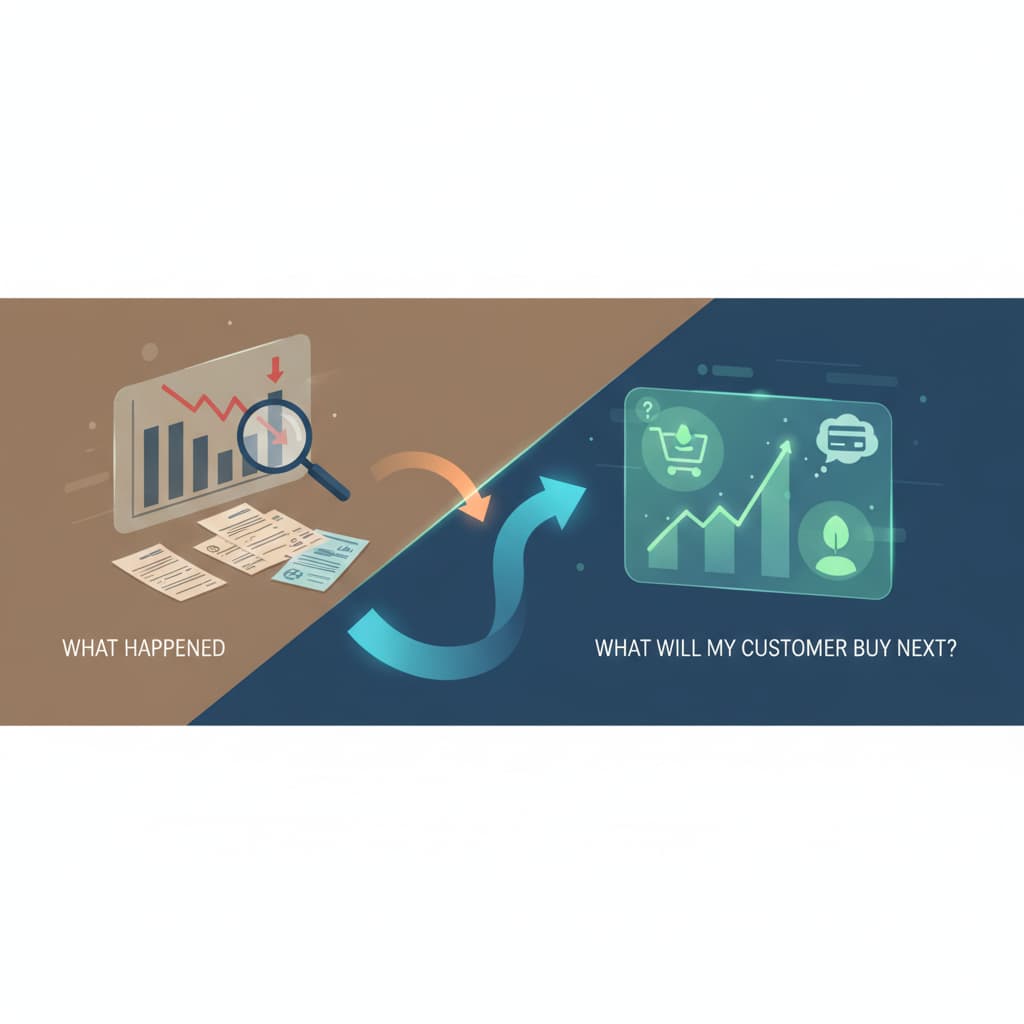
Businesses no longer win by only understanding past performance. Today, growth depends on anticipating customer behavior before it happens. This is where predictive analytics becomes a competitive advantage, shifting decision-making from hindsight to foresight. By analyzing historical data and patterns, companies can forecast demand, personalize experiences, and increase revenue. Instead of asking what customers did yesterday, organizations now ask what they will do next, and act on it confidently.
The Core Pillars of Predictive Customer Modeling
At the heart of predictive analytics lies a structured approach to understanding customers through data. Predictive customer modeling is not guesswork; it is built on three foundational pillars that transform raw information into actionable insight.
The accuracy of any predictive analytics initiative depends on data quality. Customer interactions, transaction histories, browsing behavior, and engagement metrics must be clean, consistent, and relevant. This is where predictive data analytics plays a critical role, filtering noise and identifying signals that truly matter.
Customers often behave in repeatable ways. Predictive analytics identifies patterns such as purchase frequency, churn signals, or product affinity. These insights allow businesses to segment audiences based on likelihood, not assumptions.
Insights alone are not enough. Companies that succeed with predictive analytics combine predictions with decision rules. This is where prescriptive analytics enters the picture, suggesting the best possible action once a prediction is made.
Together, these pillars turn customer data into a strategic asset rather than a static record.
Modern predictive analytics would not exist without machine learning. Algorithms learn from historical data, adjust over time, and improve predictions as new information becomes available.
Machine learning models analyze thousands of variables simultaneously. Using predictive modeling, these systems uncover hidden relationships that humans would struggle to detect. For example, they can identify which combination of customer behaviors signals an upcoming purchase or an increased risk of churn.
Each of these techniques strengthens predictive analytics by increasing accuracy and adaptability.
Unlike static reports, predictive analytics evolves. As customer behavior changes, models retrain themselves, ensuring insights remain relevant in fast-moving markets.
The true value of predictive analytics is realized when predictions directly impact revenue and customer satisfaction.
E-commerce platforms use predictive analytics to suggest products customers are most likely to buy next. These recommendations are powered by predictive data analytics, increasing average order value and conversion rates.
By identifying early warning signs, predictive analytics allows businesses to intervene before customers leave. Offers, support, or tailored messaging can be deployed at the right moment.
Retailers and service providers rely on predictive analytics to forecast demand accurately. This reduces overstocking, minimizes shortages, and improves cash flow.
Campaign timing, messaging, and channel selection improve dramatically when guided by predictive analytics, rather than intuition.
These use cases show how predictive analytics moves businesses from reactive to proactive strategies.
As predictive analytics becomes more sophisticated, concerns around privacy and ethics naturally arise. Customers want personalization, but not surveillance.
Ethical predictive analytics begins with transparency. Customers should understand how their data is used and why it benefits them.
Effective predictive analytics does not require collecting everything. Responsible organizations focus only on relevant data points.
Models built on biased data can lead to unfair outcomes. Regular audits and inclusive datasets ensure predictive analytics remains trustworthy.
When handled responsibly, predictive analytics strengthens customer trust rather than eroding it.
Also read: Zero-Click Answers and AI Overviews: What This Means for Your Top-of-Funnel Content
Many organizations delay predictive analytics adoption, believing it requires massive infrastructure. In reality, success often starts small.
Instead of asking broad questions, focus on one objective, such as predicting repeat purchases or lead conversion.
Using existing data, apply predictive modeling techniques to test assumptions. Early wins build confidence and internal support.
Predictions must be embedded into workflows. Whether through dashboards or automated actions, predictive analytics should guide daily decisions.
As maturity grows, predictive analytics expands into sales, marketing, operations, and customer service, creating a unified data-driven culture.
Businesses often partner with a Digital marketing Agency in Dubai or a marketing agency in UAE offering digital strategy services, social media marketing, Content Marketing, Branding services, and Digital Marketing services to accelerate adoption. Agencies like Digializer help translate predictions into measurable growth.
Predictive analytics represents a fundamental shift in how businesses understand customers. By moving from historical reporting to future-focused insights, organizations gain clarity, confidence, and competitive advantage. The companies that win tomorrow are those investing today in predictive analytics, aligning data, technology, and strategy to anticipate customer needs before they arise. Now is the time to move beyond “what happened” and start acting on “what comes next.”
Also read: Why Brand Reputation is Important?
Descriptive analytics explains past performance, while predictive analytics forecasts future outcomes based on historical patterns and data trends.
No. Many predictive analytics projects succeed using existing customer data. Quality and relevance matter more than volume.
Accuracy depends on data quality, model selection, and ongoing optimization. Well-maintained predictive analytics models can achieve high reliability.
By anticipating needs and preferences, predictive analytics enables personalized, timely, and relevant interactions, enhancing satisfaction and loyalty.
Also read: The 70/20/10 Marketing Rule: How to Allocate Marketing Spend for Maximum Growth

26th September, 2026

24th August, 2026

25th July, 2026

9th July, 2026